The BC Métis Federation (BCMF) is pleased to share a new article by BCMF Director of Research Joe Desjarlais, M.A., tracing how Métis scrip — the certificates Canada issued in place of negotiating Métis land rights — moved through buyers, banks, and investment networks into British Columbia’s early real-estate market.
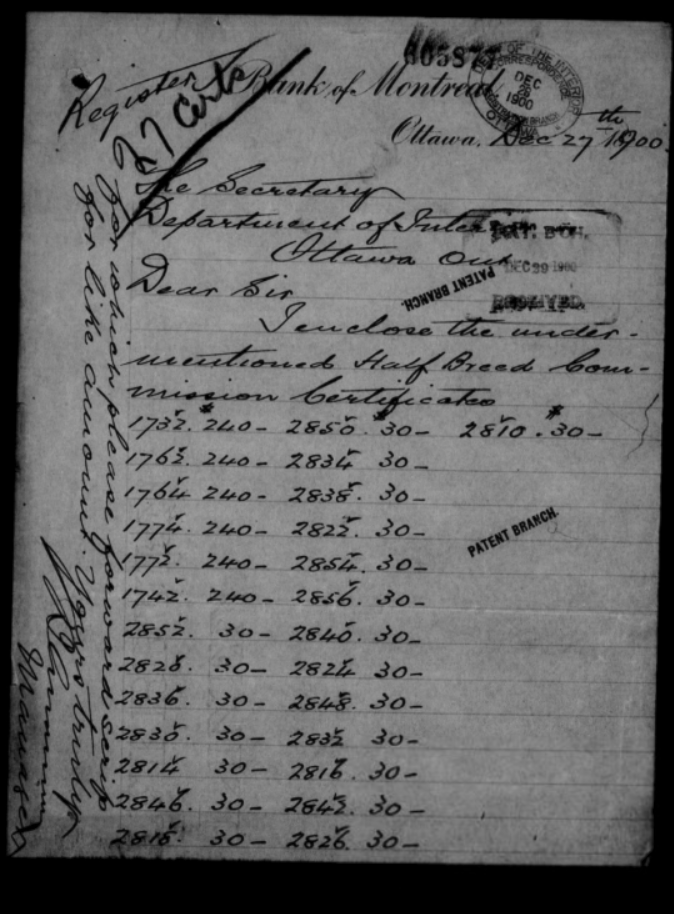
Drawing on newspaper advertisements, archival records, and bank correspondence, the article shows that Métis dispossession is not only a Prairie story: it belongs within British Columbia’s history, and within the history of the institutions that profited from it.
Highlights from the article:
In 1910, a Vancouver newspaper advertised a “half-breed scrip agreement,” good for 240 acres of land, in exchange for a “good automobile.” … A document meant to settle Métis land rights had become something that could be traded for a car.
A company connected to respectable financial and political networks was openly offering 12,000 acres of Métis entitlement paper as investment land. Scrip was not hidden at the margins, but was folded into the ordinary business of securities, loans, real estate and western expansion.
Rights became paper. Paper became land and capital. The original claimant disappeared from view.
From the scrip commissions that followed Treaty No. 8 into the Fort St. John area, to Marie Balsillie’s twenty-four-year fight over a scrip entitlement she never received, to the banking names whose successors are known today as BMO, RBC, and CIBC, the article asks who controlled the information, which institutions handled the paper, and where the value eventually went — and why British Columbia must recognize this history as its own.
Read the full story at Métis in BC: From Métis Land Rights to Vancouver’s Real Estate Boom

